Blog

  • Life is About Perception: The Key to Shaping Your Reality

    Life is About Perception: The Key to Shaping Your Reality

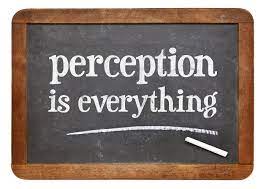
    In the vast expanse of human experience, there exists a powerful truth that often goes unnoticed: life is about perception. It isn’t inherently good or bad, fast or slow; rather, it’s the lens through which we view the world that shapes our reality. This concept, simple in its essence yet profound in its implications, suggests that by altering our perception, we can indeed change our lives.

    The story of perception’s impact on our lives is as old as time, yet it remains as relevant today as ever. It serves as a reminder that our interpretation of events, more than the events themselves, determines our experience of life. This narrative is not about denying the existence of objective realities but about acknowledging the power we hold in framing those realities in our minds.

    The Power of Perception
    life is about perceptionPerception acts as a filter through which we interpret the world around us. It colors our experiences, influences our decisions, and shapes our responses to the challenges and opportunities we encounter. The fascinating aspect of perception is its inherent subjectivity—what appears daunting to one person may seem trivial to another; what brings joy to some may bring indifference to others.

    This subjectivity is not a flaw but a feature of the human condition, offering each of us the opportunity to craft our unique narratives based on how we choose to perceive our surroundings. Understanding that life is about perception empowers us to take control of our stories, to find beauty in the mundane, and to derive strength from adversity.

    Changing Perception to Change Life

    The principle that changing our perception can transform our lives is not merely philosophical but practical. It’s about recognizing that our thoughts and attitudes toward our experiences have a tangible effect on our wellbeing and success. This doesn’t imply that we should ignore reality or adopt an overly simplistic positive thinking approach. Instead, it’s about adopting a more balanced, nuanced view of our circumstances, seeking out the silver linings without dismissing the clouds.

    Consider the realm of personal development, where the idea of perception as reality is both a challenge and a solution. Those who perceive obstacles as insurmountable barriers may find themselves paralyzed by fear or frustration. Conversely, individuals who view the same obstacles as opportunities for growth and learning are more likely to approach them with resilience and creativity.

    A Personal Anecdote: Perception in Practice

    A vivid illustration of the power of perception unfolded in my own life, centered around my son’s mental game in baseball. As a dedicated parent, I’ve been keen on nurturing not just his physical skills but also his mental acuity. He’s a talented player, but I believe that a sharp mind is just as crucial as physical prowess in sports.

    After a recent practice session, I remarked to my son that his coach was throwing the ball exceptionally fast. To my surprise, he disagreed, saying, “No, dad—coach is actually throwing easy batting practice.” This moment of discrepancy was enlightening. I had perceived the pitches as fast, perhaps a reflection of my own apprehensions or expectations. Meanwhile, my son, through the lens of his experience and confidence, saw them as slow, manageable.

    This simple exchange highlighted a profound lesson: our reality is deeply influenced by our perception. The same event, observed by two different individuals, can be interpreted in vastly different ways. It underscored the importance of fostering a mindset that sees challenges not as threats but as opportunities for growth and mastery.

    Application Beyond Baseball

    The lesson from the baseball field extends far beyond sports. It applies to every facet of our lives, from personal relationships to professional endeavors. By consciously choosing how we perceive our circumstances, we can navigate life with greater agility and optimism.

    Embracing the idea that life is about perception encourages us to question our default interpretations of events and to consider alternative viewpoints. It invites us to cultivate a mindset that values growth, resilience, and openness, recognizing that every experience, whether perceived as positive or negative, contributes to our development.

    Conclusion: The Choice is Yours

    Ultimately, the realization that life is about perception offers a liberating perspective. It reminds us that, while we may not have control over every aspect of our lives, we do have control over how we choose to view and respond to our experiences. This shift in perception is not about denying reality but about enhancing our engagement with it, enabling us to lead richer, more fulfilling lives.

    The story of my son and his baseball practice serves as a microcosm of this larger truth. It’s a testament to the fact that by changing our perception, we indeed have the power to change our lives. As we navigate the complexities of existence, let us remember that it’s all about how we look at it. In the grand scheme of things, perception is not just a part of life—it is life.
  • Building a Confidence Bank: A Path to Sustainable Self-Belief

    Building a Confidence Bank: A Path to Sustainable Self-Belief

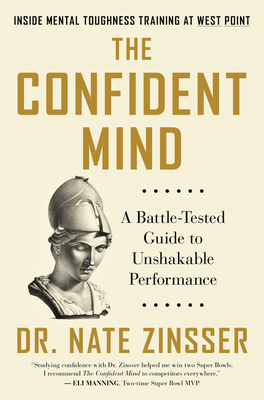
    In the pursuit of personal and professional success, confidence plays a pivotal role. It is the foundation upon which we build our aspirations, confront challenges, and navigate the complexities of life. However, maintaining a steady level of confidence is not always easy, especially in the face of setbacks and failures. This is where the concept of building a “confidence bank,” as discussed by Ian Zinsser in his book “The Confident Mind,” becomes invaluable. This innovative idea offers a practical strategy for nurturing and sustaining self-belief through the intentional collection and recall of positive experiences.

    The Concept of a Confidence Bank

    The confidence bank is a metaphorical repository for all your positive, affirming experiences, achievements, and moments of joy. Just as a financial bank keeps your monetary assets safe for future use, a confidence bank safeguards your psychological assets—memories, accomplishments, words of affirmation—allowing you to draw on them when your confidence levels need a boost.

    The premise is simple yet profound: by regularly depositing positive experiences into your confidence bank, you create a reservoir of self-assurance that you can tap into whenever you encounter doubt or insecurity. This practice is grounded in the psychology of positive reinforcement and the understanding that our self-image is significantly influenced by the narratives we tell ourselves.

    How to Build Your Confidence Bank

    Building a confidence bank is a personalized and ongoing process. Here are some strategies to start compiling your repository of confidence-boosting memories:

    1. Create a Digital Folder: In the digital age, our phones and computers are extensions of our minds and memories. Zinsser suggests creating a digital folder on your phone or computer where you can store photos, messages, emails, and any other mementos that evoke positive feelings. Family vacation photos, snapshots of achievements, and messages of appreciation from friends and colleagues can all find a place in this folder.
    2. Journaling: Writing down positive experiences, achievements, and moments of gratitude in a journal is another effective way to build your confidence bank. The act of writing reinforces these positive memories, making them more accessible for future reflection.
    3. Voice Memos: For those who prefer speaking to writing, voice memos offer a dynamic way to capture and revisit positive experiences. Recording a quick memo after a successful presentation, a meaningful conversation, or any other confidence-boosting event can provide a vivid, emotional snapshot to return to later.
    4. Visualization: Visualization is a powerful tool in reinforcing positive experiences. Spend time regularly visualizing your successes, reliving those moments in as much detail as possible. This not only deposits into your confidence bank but also strengthens your mental association with success and achievement.

    Using Your Confidence Bank

    The true value of a confidence bank lies in its use. During moments of doubt or before facing a challenging situation, take time to withdraw from your confidence bank. Review the photos, read your journal entries, listen to your voice memos, or engage in visualization. This process can significantly boost your self-esteem, reminding you of your capabilities and worth.

    The Importance of Regular Deposits

    Like any bank, the more you deposit into your confidence bank, the richer it becomes. Make it a habit to recognize and celebrate your achievements, no matter how small. Every positive experience is worth depositing, as they collectively contribute to a robust sense of self-assurance.

    “The Confident Mind” by Ian Zinsser: A Review

    In “The Confident Mind,” Ian Zinsser explores the psychological foundations of confidence and offers readers a blueprint for cultivating a resilient sense of self-belief. The book is a compelling mix of psychological research, practical advice, and personal anecdotes, making it accessible and engaging for a wide audience.

    Zinsser’s concept of a confidence bank is a standout idea, presented with clarity and practicality. He not only explains the psychological rationale behind the strategy but also provides readers with actionable steps to implement it in their lives. Throughout the book, Zinsser emphasizes the dynamic nature of confidence, arguing that it is not a fixed trait but a quality that can be developed and strengthened over time.

    “The Confident Mind” is an invaluable resource for anyone looking to build confidence, overcome self-doubt, and achieve their personal and professional goals. Zinsser’s insights and strategies offer a road map to a more confident and empowered self.

    Conclusion

    Building a confidence bank is a powerful strategy for fostering and maintaining self-belief. By intentionally collecting and revisiting positive experiences, we can create a psychological safety net that supports us through life’s ups and downs. Ian Zinsser’s “The Confident Mind” provides a comprehensive guide to understanding and enhancing confidence, making it a must-read for those on the journey to self-improvement. Through the practices outlined in this book, we can all learn to deposit into our confidence banks regularly, ensuring that we have the self-assurance to face whatever challenges come our way.

  • Unlocking Success Through Visualization: The Power of Visualizing Intensely

    Unlocking Success Through Visualization: The Power of Visualizing Intensely

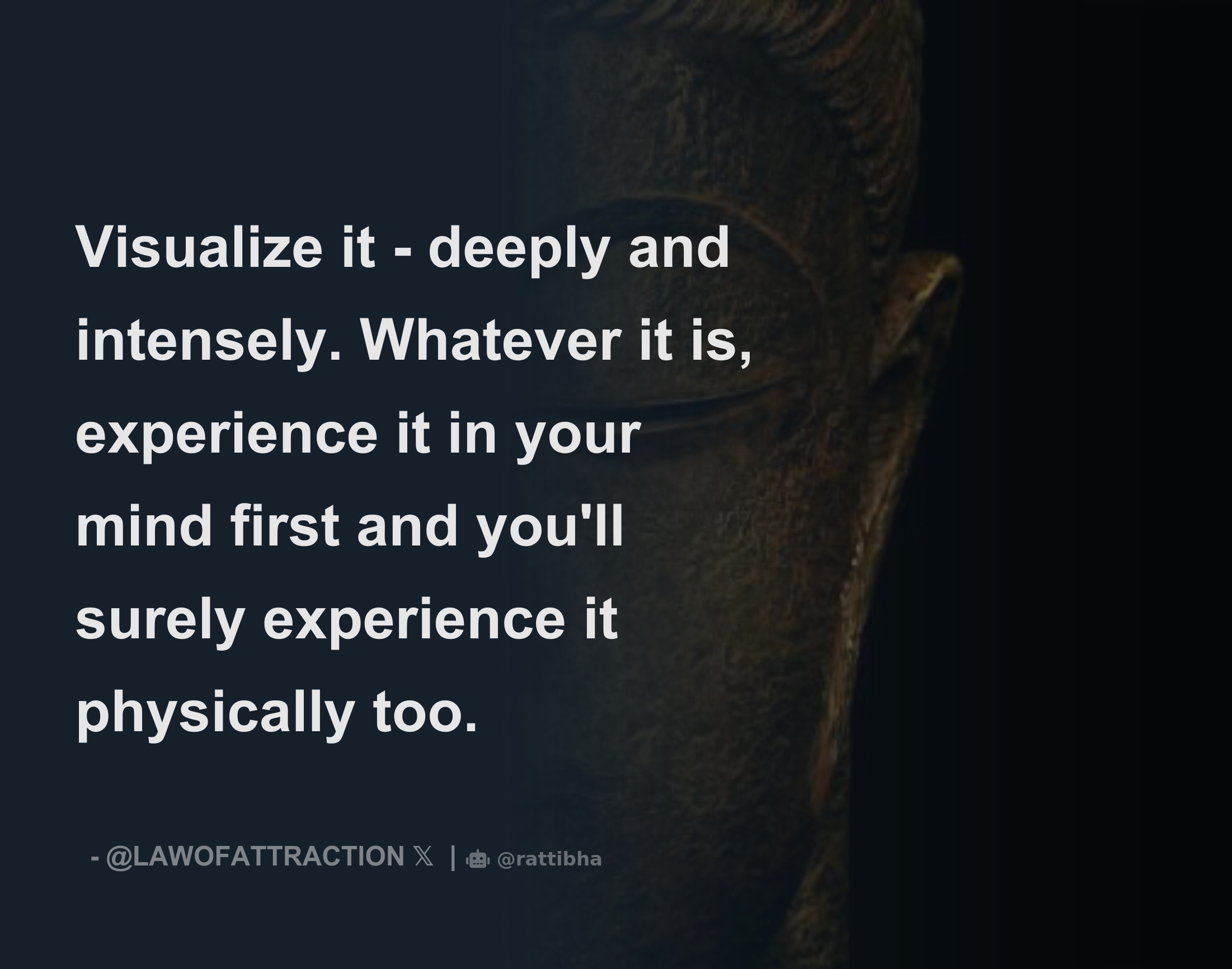
    In a world where success is often painted in broad strokes, the devil, as they say, is in the details. One profound technique that has consistently stood out in the achievement of personal and professional goals is visualization. However, not just any form of visualization—what’s truly transformative is the practice of visualizing intensely. This nuanced approach goes beyond mere daydreaming or wishful thinking; it’s an immersive, detailed, and focused exercise that can significantly impact our ability to achieve big goals.

    The Science of Visualization

    Visualization, at its core, is a cognitive process where we create vivid, detailed mental images of our desired outcomes. This practice is grounded in the principle that the mind and body are intricately connected, a concept supported by neurological studies showing that visualizing an action can stimulate the same brain regions as actually performing the action. When we visualize intensely, we’re not just passively hoping for success; we’re actively engaging our brain in the experience of success.

    Setting Big Goals and Visualizing Them Intensely

    The first step in the process of visualizing intensely is to set big, audacious goals. These are goals that stretch your imagination, challenge your abilities, and push you out of your comfort zone. Once these goals are set, the next step is to visualize them with intense detail and emotion.

    Imagine, for instance, the goal of owning your dream car. Don’t just picture the car in your mind; dive deeper. Visualize the color and shine of the paint, the feel of the leather seats, the sound of the engine, and even the scent of the interior. How does it feel to hold the steering wheel? How do the pedals feel under your feet? What emotions do you experience as you drive?

    The Leather of the Car Feel: Engaging Your Senses

    Engaging all your senses in the visualization process is crucial. The more detailed and sensory-rich your visualization, the more intense and effective it will be. This intensity in visualization ensures that your brain perceives these images as real, thereby enhancing your motivation and commitment to achieving your goals.

    The Scale Look: Measuring Success

    Visualizing success also involves imagining the milestones and achievements along the way. If your goal is weight loss, for instance, don’t just visualize the end goal. Picture the scale displaying your target weight, the feel of your clothes fitting differently, and the reactions of friends and family. This detailed visualization helps create a roadmap in your mind, making the goal feel achievable and real.

    Visualizing Intensely: A Daily Practice

    For visualization to be most effective, it should be practiced daily. Dedicate a few minutes each day to sit quietly and visualize your goals with as much detail and intensity as possible. This consistent practice not only reinforces your commitment to your goals but also keeps you aligned and focused on the actions needed to achieve them.

    The Role of Emotion in Visualization

    An often-overlooked aspect of visualizing intensely is the incorporation of emotion. The emotions you attach to your visualization amplify its impact. Feel the excitement, pride, or joy you would experience upon achieving your goal. Emotional intensity adds a powerful layer to the visualization process, making the envisioned future feel more attainable.

    Overcoming Challenges Through Visualization

    Visualization is not just about seeing the end goal; it’s also a tool for overcoming obstacles. Visualize facing challenges and navigating through them successfully. This aspect of visualization prepares you mentally to handle setbacks and persist towards your goal.

    Visualization in Action: Success Stories

    Many successful people attribute a part of their success to the practice of visualization. Athletes, entrepreneurs, and artists alike use visualization to enhance performance, solve problems, and achieve their goals. These success stories serve as powerful testimonials to the effectiveness of visualizing intensely.

    Conclusion: The Transformative Power of Visualizing Intensely

    The practice of visualizing intensely offers a pathway to achieving big goals. By engaging the senses, incorporating emotion, and consistently applying this technique, individuals can significantly enhance their ability to achieve success. Whether it’s the leather of your dream car, the digits on the scale, or the applause from achieving a career milestone, the details matter. Visualize intensely, and watch as your dreams and goals come into sharper focus, guiding you towards the realization of your aspirations.

  • Unlocking the Power of the Law of Expectation

    Unlocking the Power of the Law of Expectation

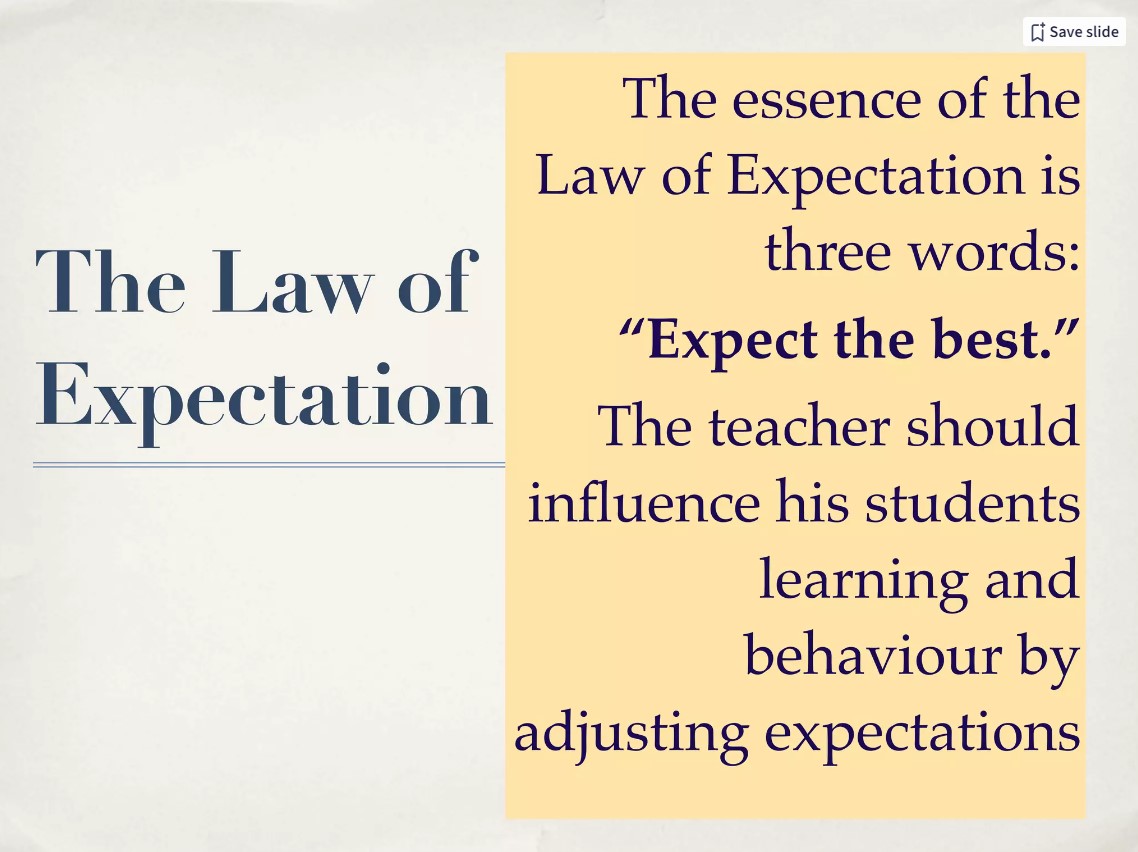
    The Law of Expectation, a principle deeply rooted in the psychology of belief and the power of mindset, posits that what we expect from life, with conviction, tends to manifest in our reality. This concept isn’t just wishful thinking; it’s supported by the psychological phenomena of self-fulfilling prophecy, where our expectations influence our actions, which in turn, make those expectations come true. Understanding and leveraging the Law of Expectation can significantly impact our lives, from personal growth to professional achievements.

    The Essence of Expectation

    law of expectationExpectations act as a guiding force, subtly steering our decisions, behaviors, and interactions. When we expect success, our actions align with that outcome. We become more resilient, resourceful, and engaged in activities that contribute to achieving our goals. Conversely, low expectations can trap us in a cycle of mediocrity, where our actions (or lack thereof) align with less favorable outcomes.

    The Psychological Foundation

    The power of expectation is rooted in cognitive psychology. It influences our mindset, which in turn affects our behavior. For instance, if a student expects to do well in an exam, they’re more likely to engage in behaviors that contribute to that outcome, such as studying effectively and managing their time well. This doesn’t mean that expectation alone will ensure success, but it sets the stage for constructive behaviors.

    Raising Your Expectations

    Raising our expectations is not about setting unrealistic goals but about aiming higher while being prepared to put in the work required to achieve them. Here are strategies to elevate your expectations:

    1. Visualize Success: Visualization is a powerful tool. Imagine achieving your goals in vivid detail. This mental rehearsal boosts confidence and solidifies your expectation of success.
    2. Set Achievable, Yet Challenging Goals: Goals should stretch your capabilities without being so far out of reach that they seem impossible. Find that sweet spot where ambition meets realism.
    3. Surround Yourself with Positivity: The people around us can significantly impact our mindset. Surround yourself with individuals who have high expectations for themselves and encourage yours.
    4. Cultivate a Growth Mindset: Embrace challenges as opportunities for growth. View setbacks as learning experiences, not failures.
    5. Affirmations and Positive Self-Talk: Regularly affirm your ability to achieve your goals. Positive self-talk can reinforce your belief in your expectations.

    Real-Life Application

    Applying the Law of Expectation in real life means aligning your actions with your desired outcomes. For example, if you’re seeking a promotion, expect that you are capable and prepare by taking on more responsibilities, seeking feedback, and enhancing your skills. Your actions, driven by your expectations, will open the door to opportunities.

    Managing Expectations

    While high expectations can propel us forward, it’s essential to manage them to avoid disappointment. This means being realistic, adaptable, and resilient. Life is unpredictable, and while we can steer our ship with our expectations, we must also be prepared to adjust our sails when the wind changes direction.

    Conclusion

    The Law of Expectation holds that our beliefs about what we can achieve significantly influence our actions and, consequently, our outcomes. By raising our expectations and aligning our actions with our goals, we can harness the power of this law to create a more fulfilling and successful life. Remember, what you expect with confidence becomes your own self-fulfilling prophecy. Aim high, work hard, and watch as your expectations become your reality.

  • Playing to Win vs. Playing Not to Lose: A Life Strategy

    In life, just as in games, we often encounter two distinct strategies: playing to win and playing not to lose. These approaches, while seemingly similar, stem from very different mindsets and can lead to vastly different outcomes in our personal and professional lives.

    Playing to Win: The Offensive Strategy

    Playing to win is about adopting an offensive strategy, focusing on growth, taking calculated risks, and pursuing success actively. It’s about setting ambitious goals and doing whatever it takes to achieve them. This approach aligns with a growth mindset, where challenges are seen as opportunities to learn and develop.

    Characteristics of Playing to Win:

    • Risk-Taking: Willingness to take calculated risks to achieve greater rewards.
    • Proactivity: Taking initiative and acting in anticipation of future needs or changes.
    • Growth Mindset: Embracing challenges, learning from failures, and persistently working towards goals.
    • Innovation: Constantly seeking new opportunities and ways to improve and succeed.

    Playing Not to Lose: The Defensive Strategy

    Conversely, playing not to lose is a defensive strategy. It’s about being cautious, avoiding risks, and focusing on preserving what one already has. This approach is often driven by fear of failure, leading to a fixed mindset where the status quo is maintained at all costs.

    Characteristics of Playing Not to Lose:

    • Risk Aversion: Avoiding risks to prevent potential losses, even at the expense of potential gains.
    • Reactivity: Responding to situations as they arise rather than anticipating and preparing for them.
    • Fixed Mindset: Viewing challenges as threats and failures as a reflection of one’s capabilities.
    • Conservatism: Preferring traditional methods and resisting change.

    The Impact on Life

    The strategy we choose impacts every aspect of our lives, including our careers, relationships, personal growth, and overall happiness.

    Playing to Win in Life:

    • Career: People who play to win are more likely to pursue ambitious career goals, embrace leadership roles, and seek continuous improvement and innovation in their work.
    • Relationships: They approach relationships with openness and authenticity, willing to invest deeply despite the inherent risks of vulnerability.
    • Personal Growth: They view life as a journey of continuous learning and self-improvement, embracing new experiences and challenges.

    Playing Not to Lose in Life:

    • Career: Individuals playing not to lose may stick to comfortable, secure jobs, avoiding career moves that could lead to greater fulfillment or success due to fear of failure.
    • Relationships: They may be cautious in forming new relationships or deepening existing ones to avoid potential pain or loss.
    • Personal Growth: Their growth may stagnate as they stick to what they know and avoid the discomfort of new challenges.

    Finding Balance

    While playing to win seems inherently superior, it’s essential to find a balance. Blindly pursuing success without regard for potential risks can lead to burnout and failure. Similarly, being overly cautious and avoiding all risks can lead to missed opportunities and regret.

    The key is to adopt a balanced approach that combines the ambition and proactivity of playing to win with the prudence and risk management of playing not to lose. This balance allows us to pursue our goals ambitiously while also being mindful of our limitations and the potential consequences of our actions.

    Conclusion

    The dichotomy between playing to win and playing not to lose offers a valuable lens through which to examine our life strategies. Ultimately, adopting a balanced approach that incorporates the best aspects of both strategies can lead us to a more fulfilling and successful life. By understanding and applying these concepts, we can navigate life’s challenges more effectively, making decisions that align with our goals, values, and the kind of life we want to live.